
1. Wall-Mounted Foldable Dining Table
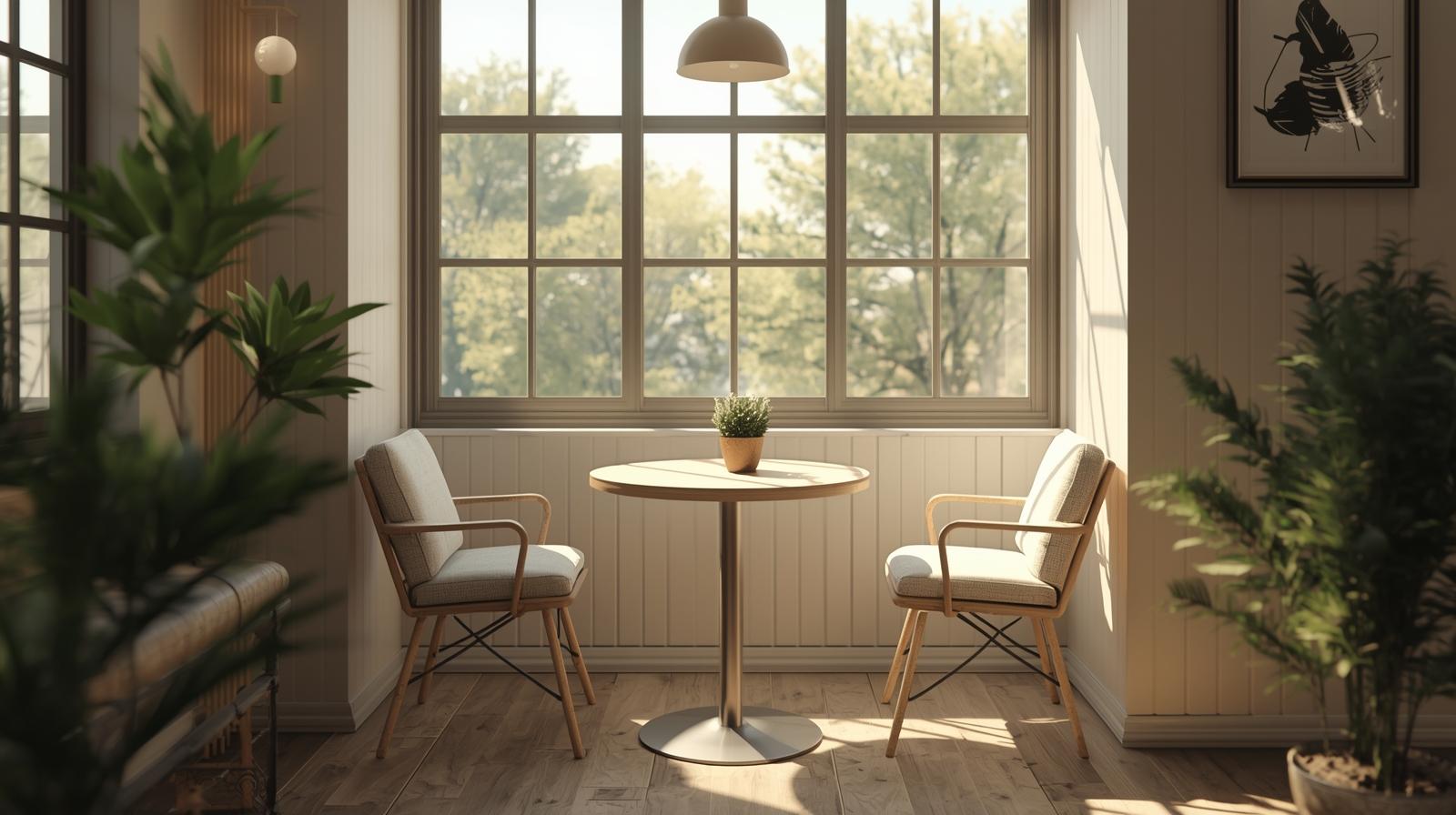
A wall-mounted foldable table is perfect for tiny apartments where every inch matters. You can open it during meals and fold it back to free up walking space. Choose a clean wood or white finish so it blends with your wall and doesn’t feel bulky.
Choosing lightweight materials like wood or metal makes them easy to handle. Some even have hidden storage to keep essentials nearby.
2. Round Table for Easy Movement
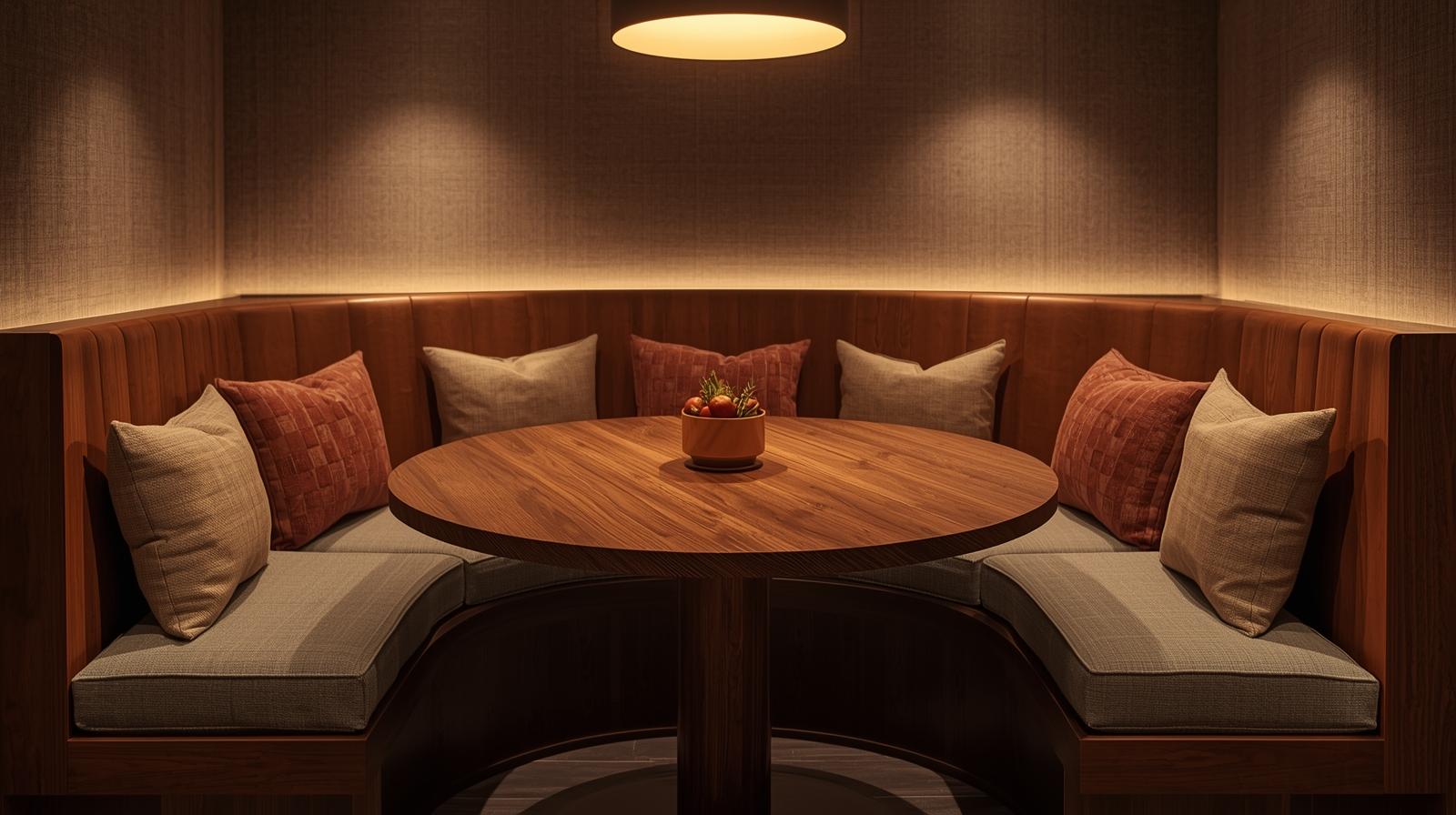
A wall-mounted drop-leaf table saves space by folding against the wall when not needed. This is ideal for studios or tiny apartments.
Adding two compact chairs completes the dining area without crowding. Neutral colors keep the space feeling open and uncluttered.
3. Bench Seating Against the Wall
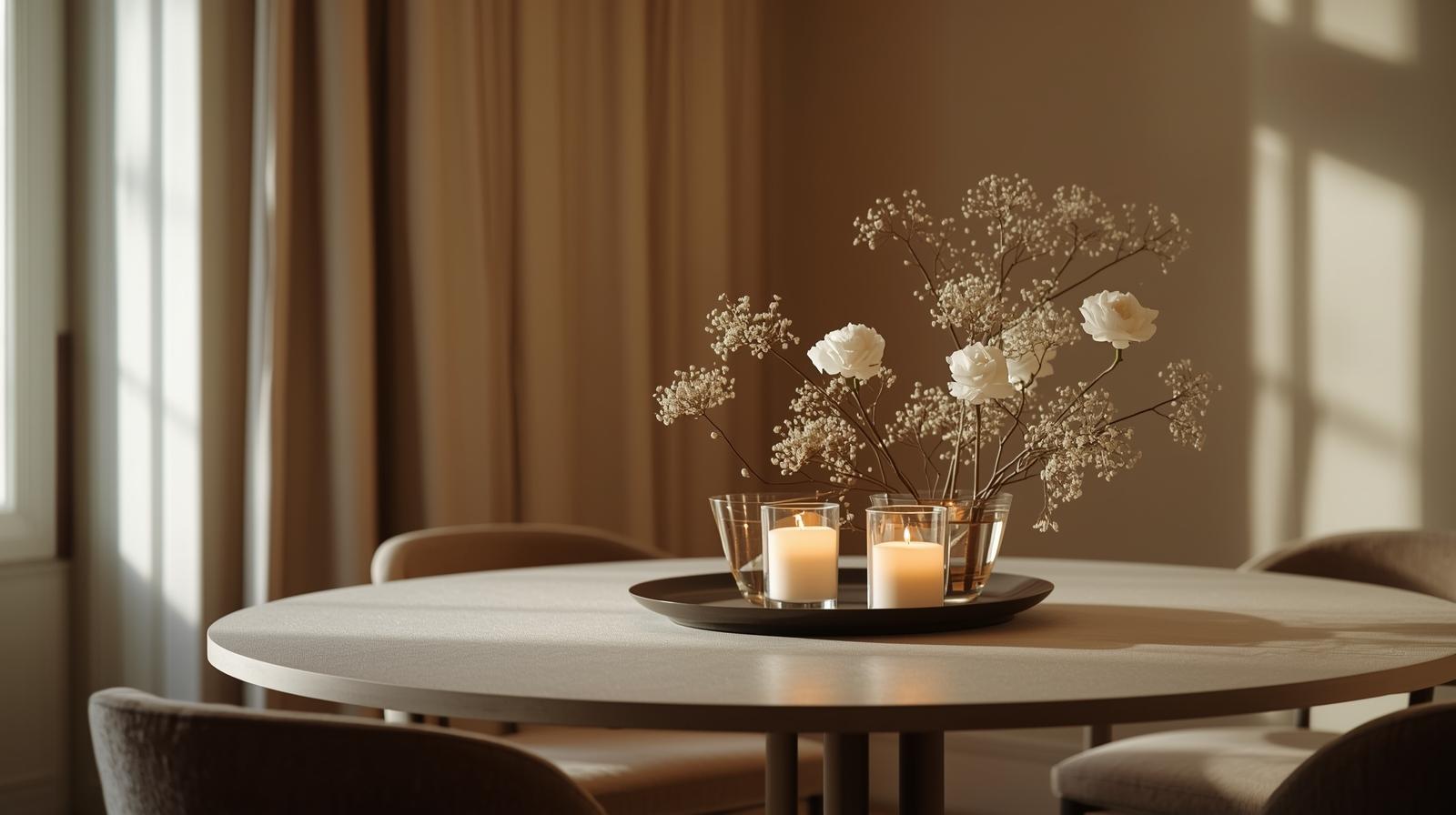
Round tables work well in small apartments because they allow smooth movement around the dining area.
They also encourage conversation and create a cozy vibe. Pairing with slim chairs maintains functionality without feeling cramped.
4. Glass Dining Table for Visual Space
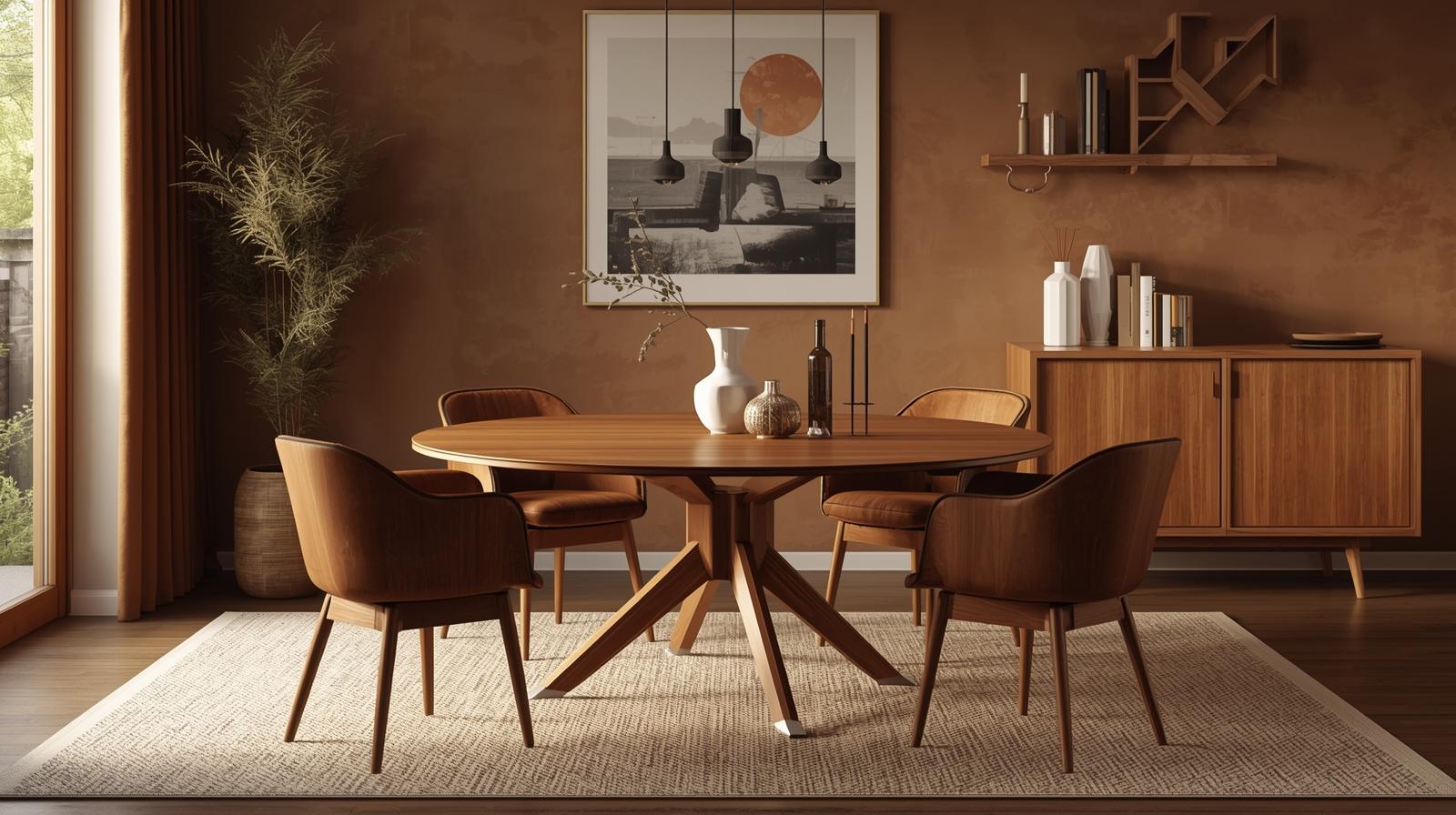
A bench can double as storage or extra seating. Place it along the wall to maximize floor space.
Adding soft cushions improves comfort while keeping the design casual and practical. This solution works well in apartments with limited square footage.
5. Corner Dining Nook
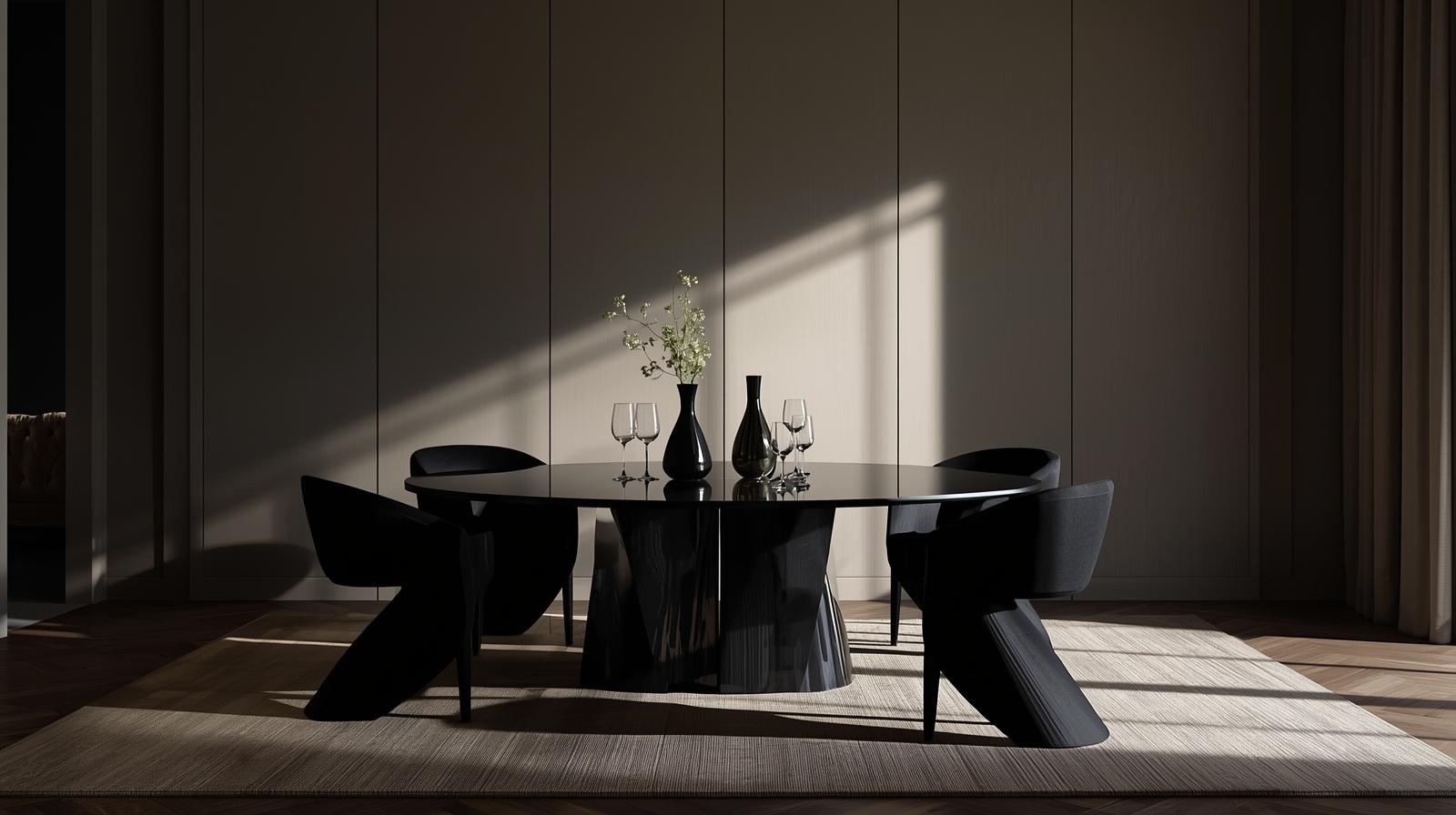
Keep a few folding chairs handy for occasional guests. They can be stored in a closet or against the wall when not in use.
Lightweight designs make them easy to move. Using matching colors helps maintain a cohesive and tidy apartment dining space.
6. Extendable Dining Table
Built-in banquettes save space and provide ample storage underneath. They create a cozy corner for meals without extra bulky furniture.
7. Use Light Color Palette
A kitchen island that doubles as a dining table is perfect for small apartments. It serves as prep space and eating area in one.
Adding bar stools keeps the area functional. Foldable or extendable options provide even more flexibility for guests.
8. Floating Shelves for Storage
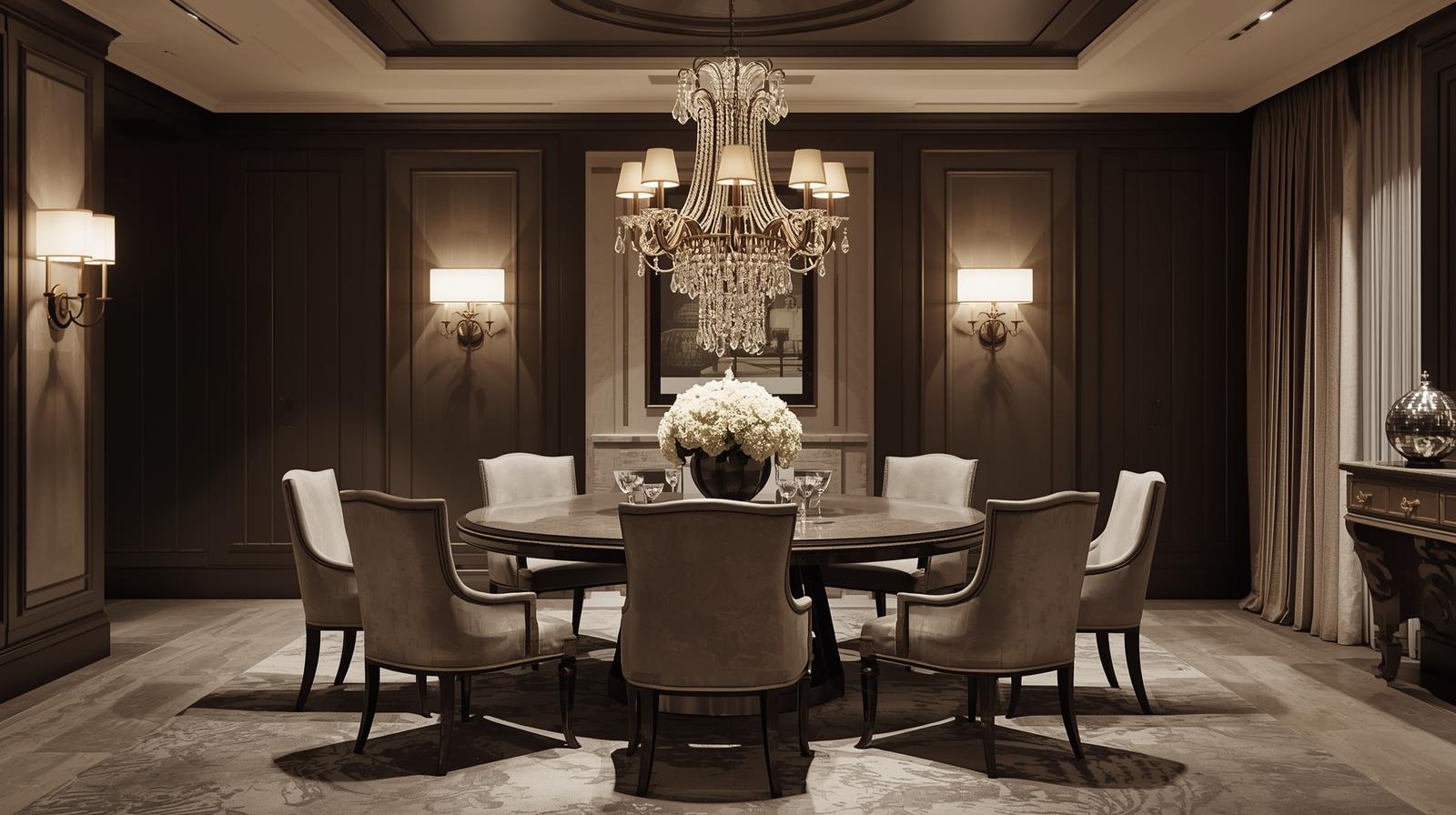
Light-colored tables and chairs make a small dining area feel bigger and brighter.
Using whites, creams, or light wood helps reflect natural light. Minimalist design prevents visual clutter and enhances openness in tight apartments.
9. Two-Chair Minimal Setup
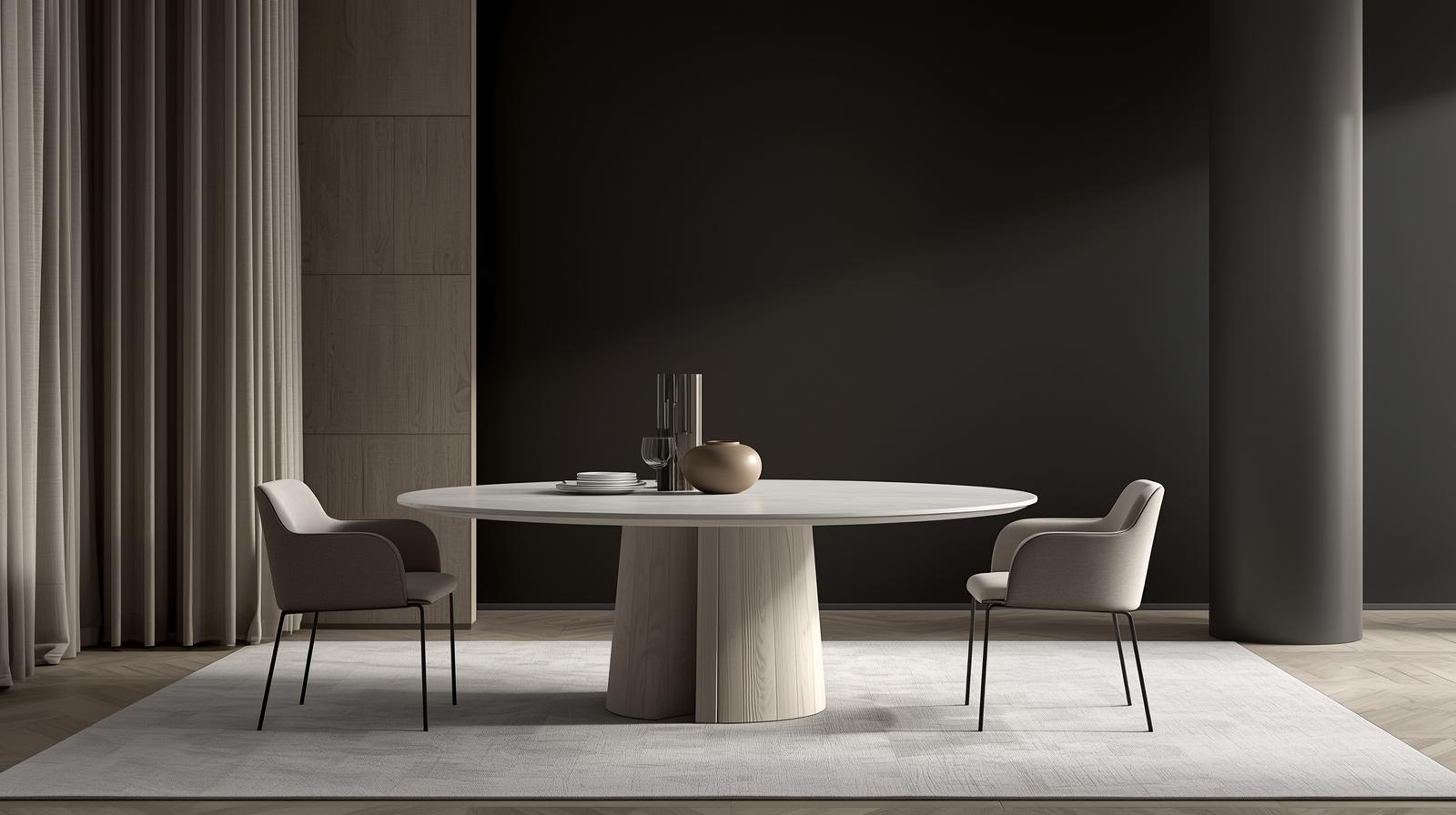
Adding a mirror behind the dining table gives the illusion of a larger space.
It reflects light and creates a sense of depth. Even a small wall mirror can significantly enhance the feeling of openness in an apartment.
10. Use Mirrors to Expand the Space
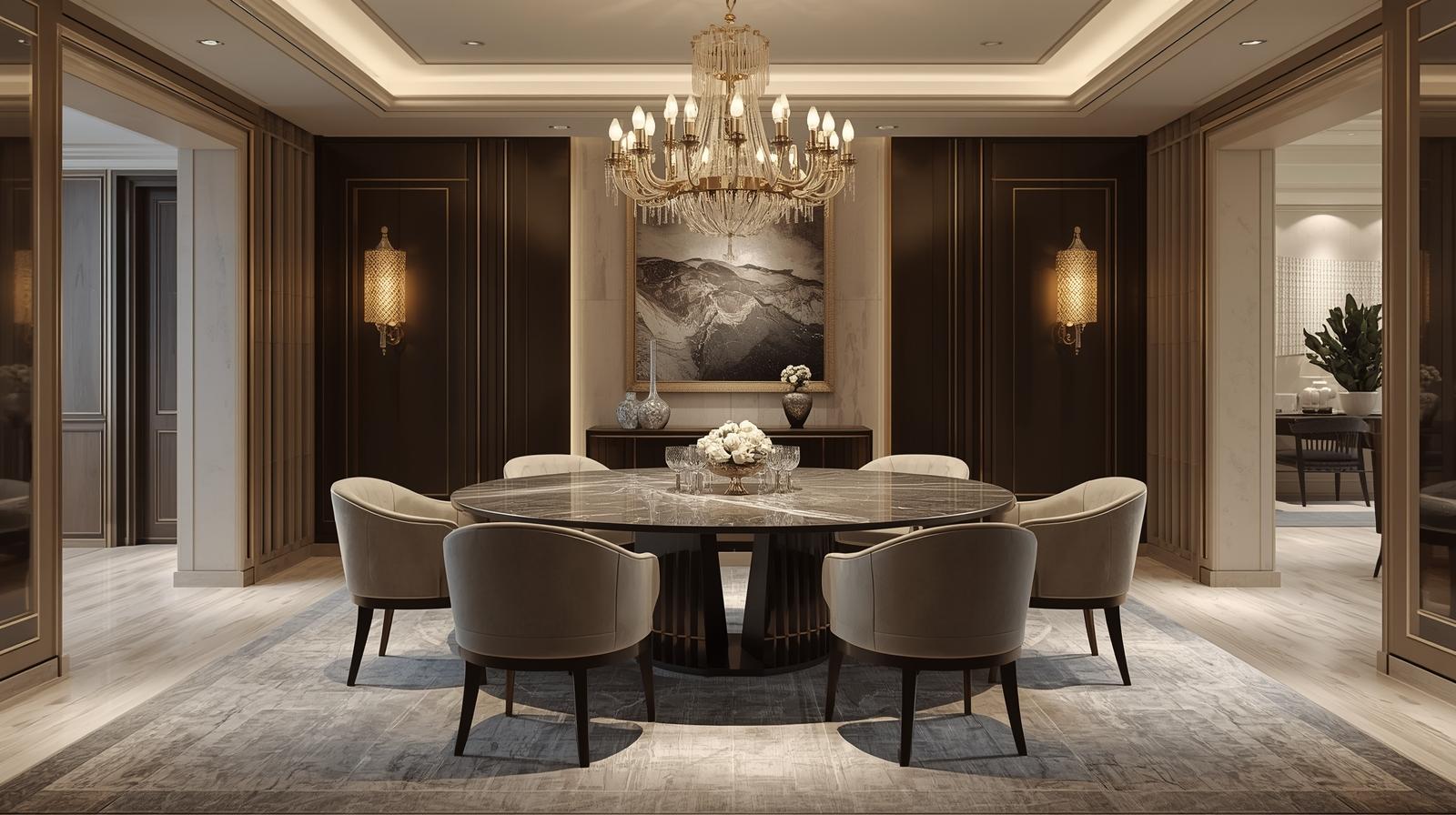
Use wall-mounted shelves above the dining area to store dishes, decor, or plants.
This saves floor space and keeps essentials accessible. Open shelving adds personality while maintaining a clean apartment aesthetic.
11. Folding Table Extensions
Tables with folding extensions expand only when needed, saving space for everyday life.
This is perfect for hosting friends without sacrificing compactness. Choosing a matching color keeps the area cohesive and functional.
12. Transparent Furniture Pieces
Transparent tables or acrylic chairs reduce visual clutter and make a room feel more open.
They reflect light and blend with any decor style. Perfect for minimal apartments where maximizing perceived space is important.
13. Minimalist Decor Approach
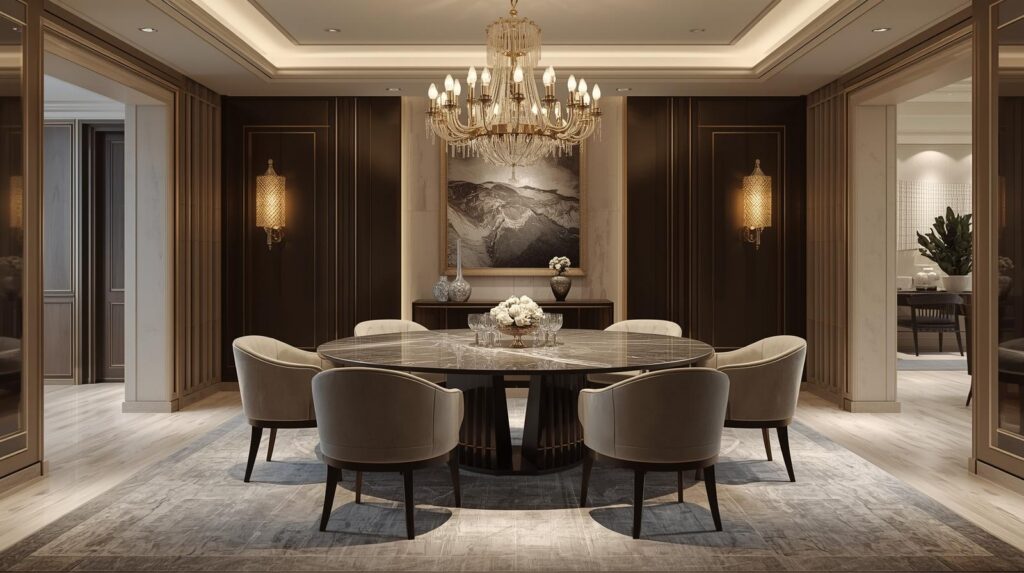
Keep decor simple to avoid overwhelming a small dining area. A small vase, simple artwork, or a candle centerpiece is enough.
Minimalism improves flow and functionality while maintaining a cozy atmosphere for family meals.
14. Stackable Seating
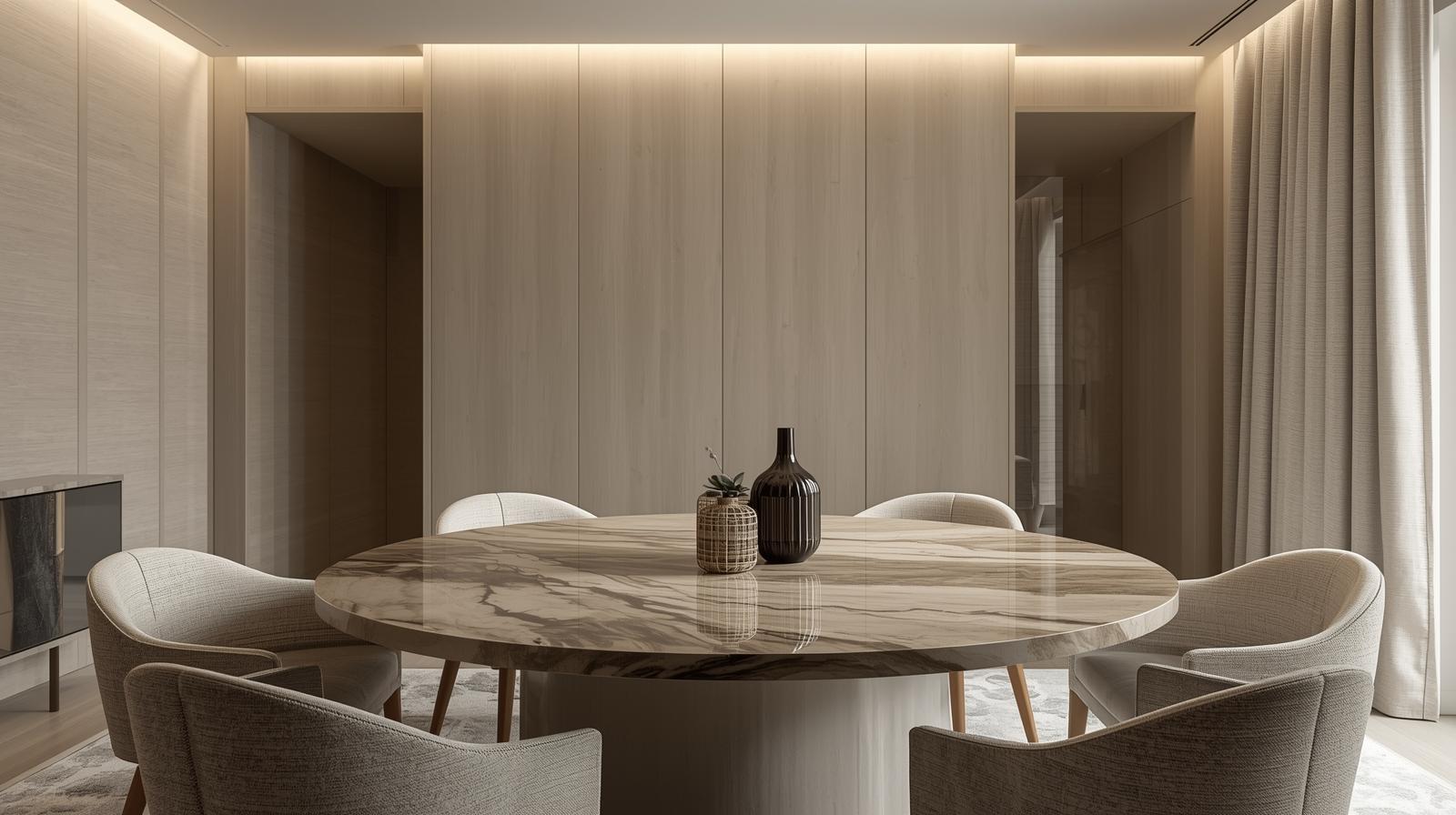
Stackable stools or chairs allow for flexibility. Use them as needed and stack away when not in use.
This is a practical solution for tiny apartments that occasionally host extra guests, keeping the space tidy and functional.
15. Corner Dining Nooks
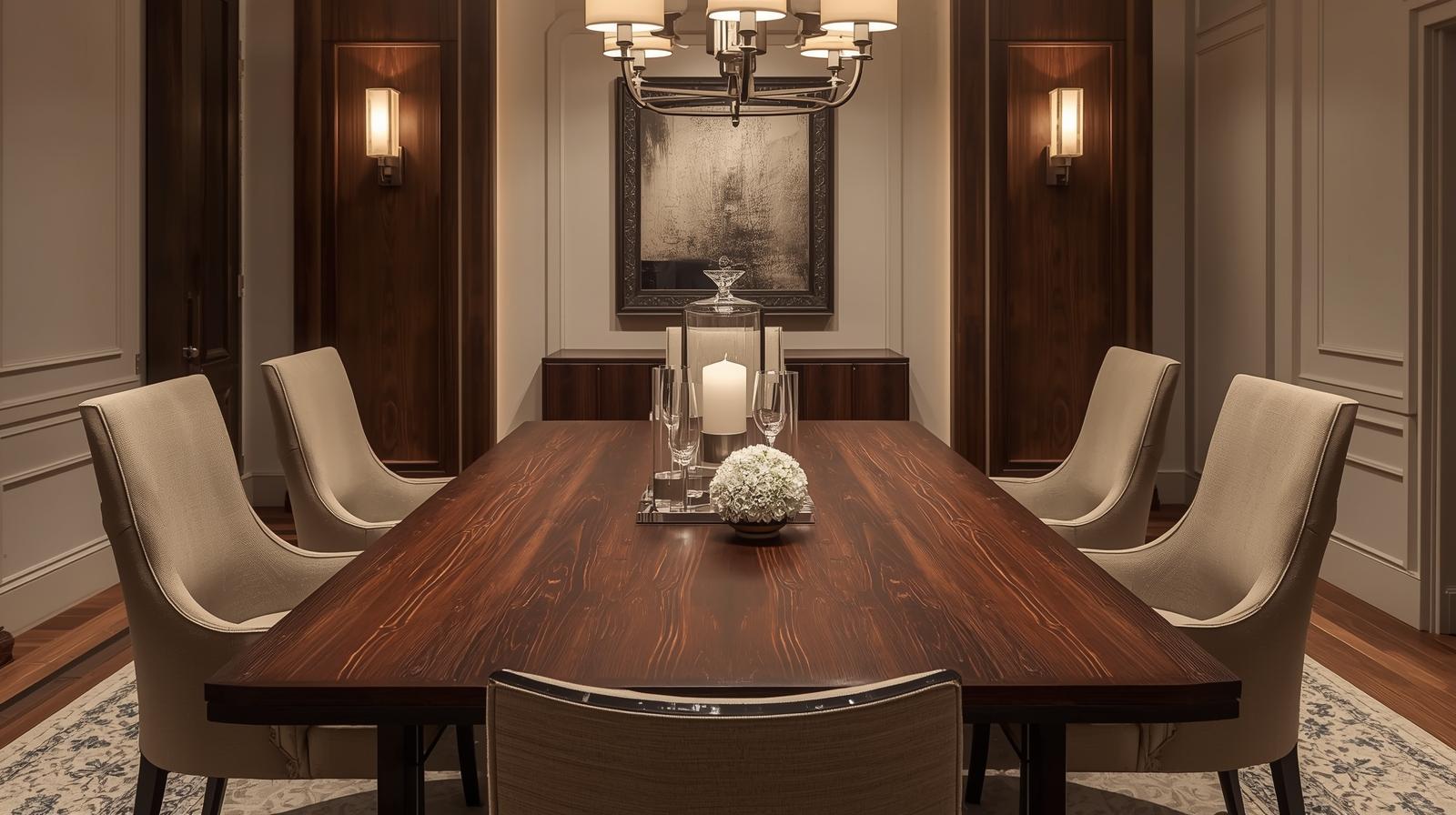
Corners are often underused; placing a small round or square table in a corner creates an efficient dining space.
Combine with a built-in bench or a couple of chairs. Corner nooks maximize floor area while remaining cozy and practical.
16. Foldable Wall Bar Table
A wall-mounted foldable bar table is ideal for breakfast or casual meals. Fold it down when not in use.
Pair with stools that tuck underneath. This solution keeps the dining area flexible, maximizing both space and function in small apartments.